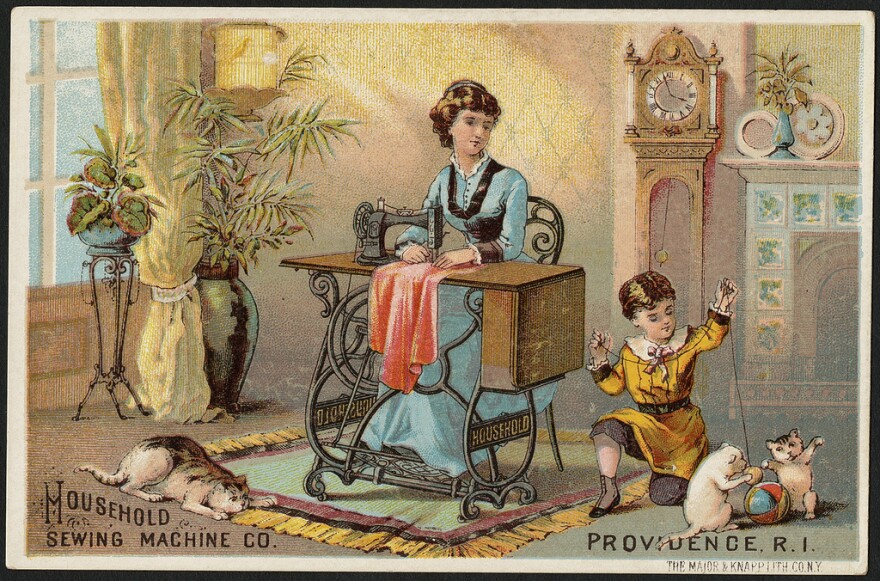
Since the 18th and 19th centuries, women have been expected to homemakers in American society. They did many things women still do today, but they also spent a lot of time making things, like clothing, that most American women today don’t do. (Image: WKAR Public Media)
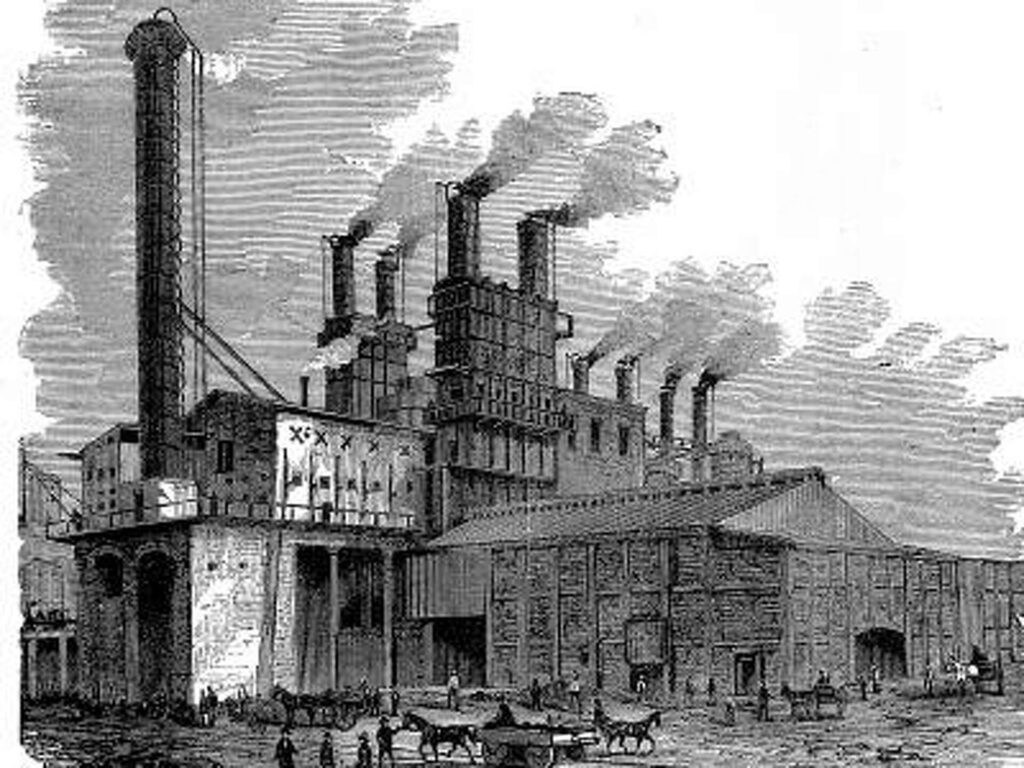
The Industrial Revolution in the United States around the 1870s led to a boom in mass production of consumer goods. This allowed many American men the opportunity to get a job outside of the home, earn money, and spend that money on goods, like clothing, which altered the labor for women at home, as well. (Image: Getty)
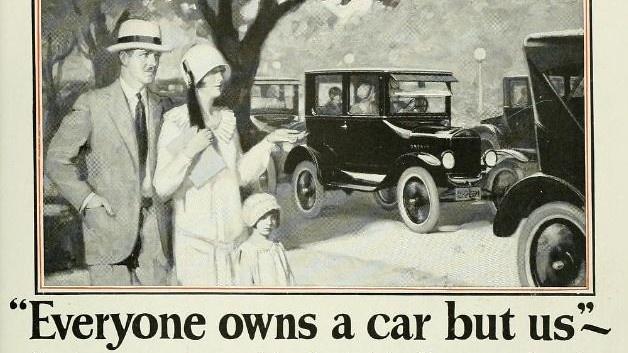
American advertising picked up steam in the late 19th-early 20th centuries after the Industrial Revolution. With this, we also start to see the rise in American consumer culture, or the idea that to have more means to be perceived better by society. (Image: PBS Learning Media)
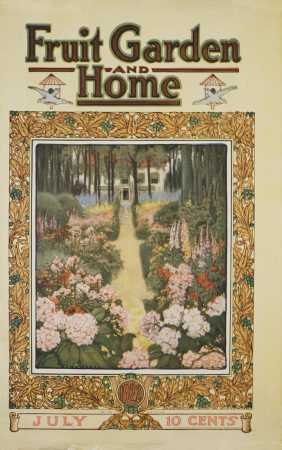
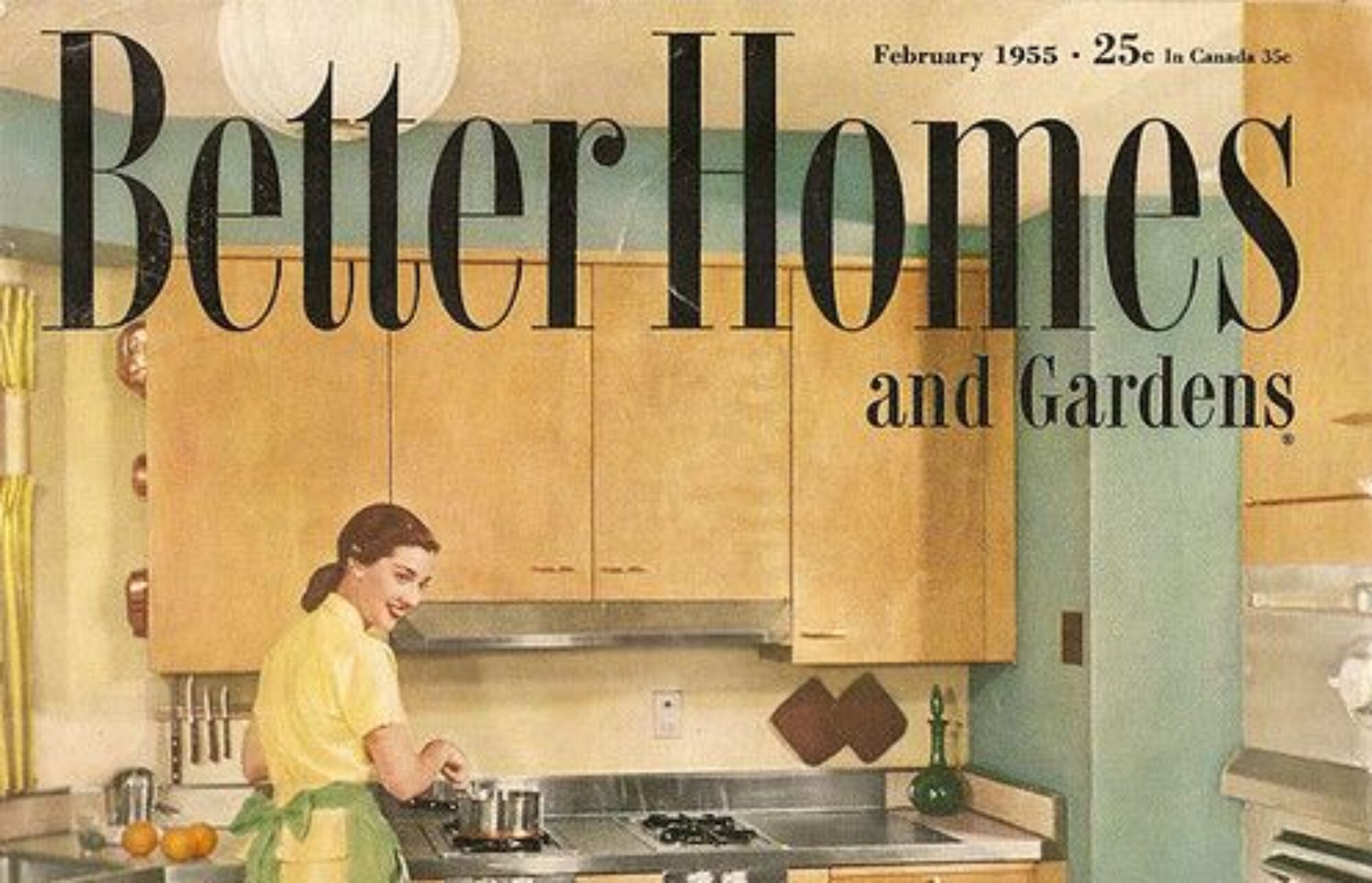
The magazine Better Homes & Gardens started publishing in 1922 with their old name, Fruit Garden and Home. It is one of the most well known American magazines made specifically with a female audience in mind with advertisments follow along with articles about homemaking, gardening, relationships, and children. (Image: Better Homes & Gardens archives)
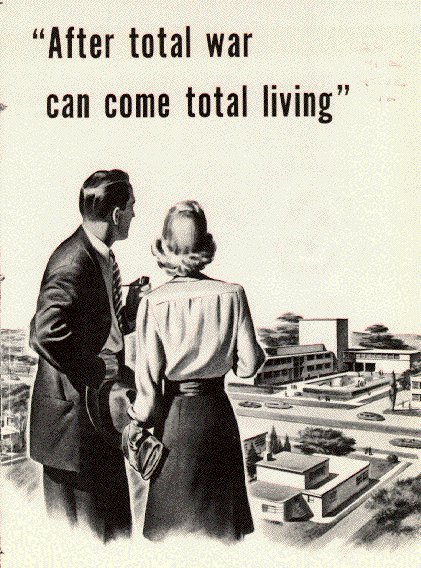
After WWII in the US in 1941-1945, Americans experienced another economic boom due to the reallocation of resources from producing for the war effort back into consumer goods. Americans were going back to work, earning money, and spending it. Again, we see the rise in consumer culture, and this time specifically for technological products like cars, refrigerators, vacuums, and gas appliances. (Image: Write CSU)
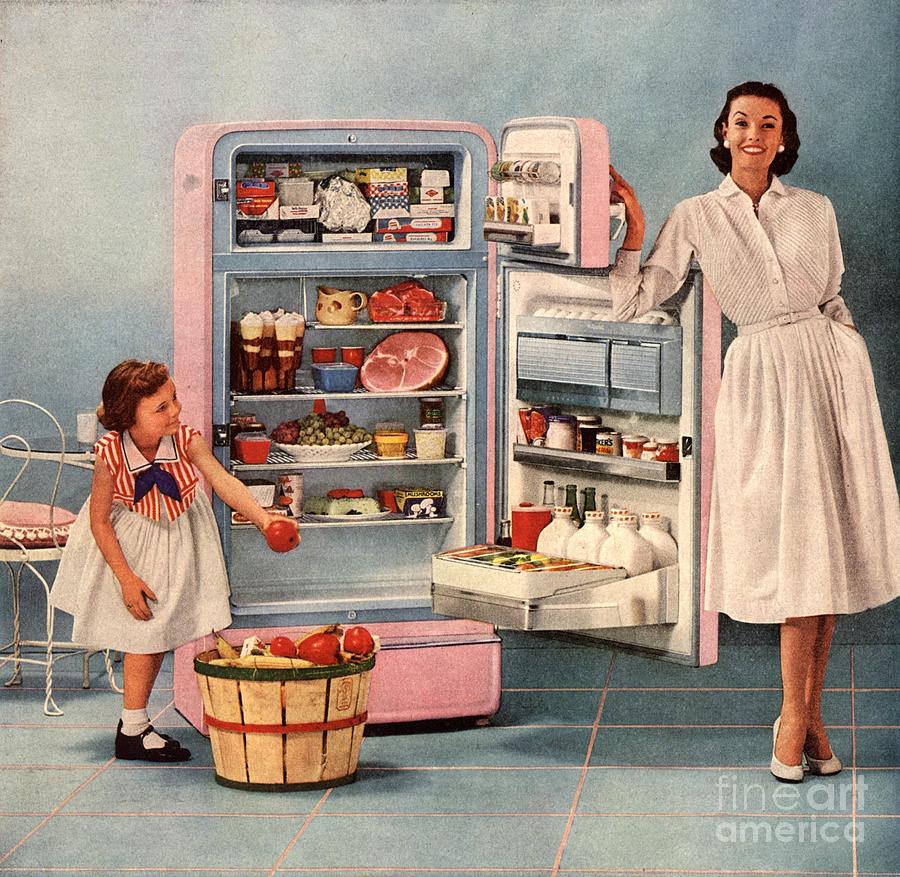
Women, and more specifically housewives, have been used in advertising since the late 19th-early 20th centuries, but we this rise again in the 1950s. With the promise of “time-saving” appliances in the Post-War era, advertising agencies knew that targeting housewives specifically in advertisements would be good for business. (Image: The Advertising Archives)